
Elopement Photography Gear

What’s in my bag (2026 Update)
Oh, Gear! Photography gear is one of those topics that will never go out of style. No matter how long you’ve been shooting for, or if you’re just starting out, photography gear talk is something that’s constantly revisited. Not every photography business needs the same gear, and when it comes to elopement or intimate wedding photography, the list tends to be a little different from other types of photography.
Every year, many camera brands release a wide range of cameras and gear to serve all areas and levels of photography. New technology is always implemented to make photos sharper, bigger, and in focus, and make cameras WAY easier to use. But what all this amazing technology does is overwhelm us with the idea that we always need the newest gear to be better photographers. And to be honest, I’m just like you, and I think about photography gear more than I need to. At times, it’s so overwhelming and can cost a fortune when you decide to get a new lens or a camera body that you’ve been eyeing for a while.
The Artist vs. The Technical
When it comes to photography gear, there are two types of photographers: those who care about the art side and those who care about the technical side. There is no right or wrong side to be on; it’s just the way that you approach your work and find the right tools to capture stories. For photographers who care about the art side, gear doesn’t matter much to them as long as it can capture what they’re after, and for the photographers who care about the technical aspect and what it can do, they care about the experience of using the gear and the outcome of the work (photo sharpness, clarity, dynamic range, etc.). As for me personally, I am a photographer who goes back and forth between the technical and artistic sides, but definitely leans more toward the artistic side because I care more about how a story is told than what it was shot on. If an image is captivating, makes you feel something, makes you stop, and think about it, then it’s done its job.

GEAR DOESN’T MATTER
No matter what photography gear you’re thinking about, keep in mind that it should always serve a purpose for what you need it for. You can really create incredible work on inexpensive gear, or even an iPhone. Not all upgrades make sense, and not all cameras make sense. There are so many cameras out there, and they all work for different areas in photography, and some of them are overkill - but if it serves a purpose in telling a story, then that gear can help you with what you’re doing. No one remembers the camera. They remember the photo.
Things to ask yourself before buying new photography gear.
Some of the important things to consider when you’re looking into buying new photography gear or upgrading what you already have:
The technical side:
Should I invest in camera bodies or in lenses?
When I upgrade, will I need more memory cards & storage?
Does the camera have dual card slots?
Is it weather-sealed?
How much more quality/megapixels will I capture?
Is it compatible with what I already have?
The creative side:
How will this new gear benefit my work?
Is the upgrade going to change the quality of my work?
Can a new gear weigh me down from capturing the right moment?
Will I tell better stories with a different camera?
What feeling am I trying to evoke?
Will I enjoy the new experience of this gear?
Before diving into the list of “what’s in my bag,” you must know that I’m a gearhead. I love cameras because I find them mechanically interesting. I love collecting them as unique art pieces, and if they work properly, that’s even better!! I have more gear than I’d like to admit, and not because I want the top-of-the-line gear, but because each camera, lens, bag, strap, etc. has a purpose for my work. You definitely don’t need all of it to tell stories.
Photography Gear - Cameras
Digital Cameras
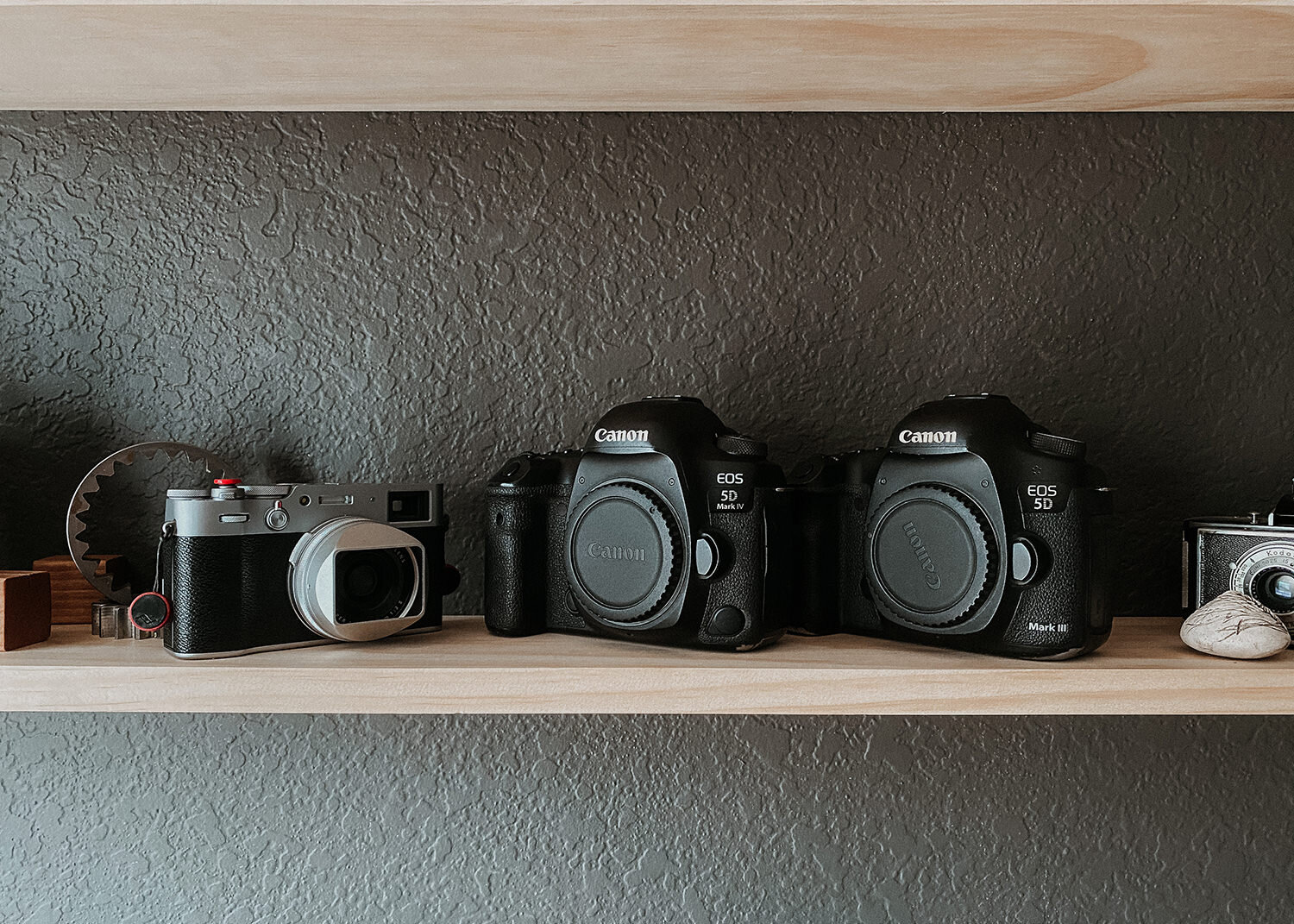
Canon R6 (Main Body)
Canon R5 (Secondary Body)
Canon 5d4 (Backup1)
Canon 5d3 (Backup 2)
Fuji X100v (Travel/Daily Camera)
iPhone 15 Pro (Travel/Daily Camera/BTS Videos)
Film Cameras
Canon EOS-1 V (Main Film Camera)
Contax 645 (Main Medium Format Film Camera)
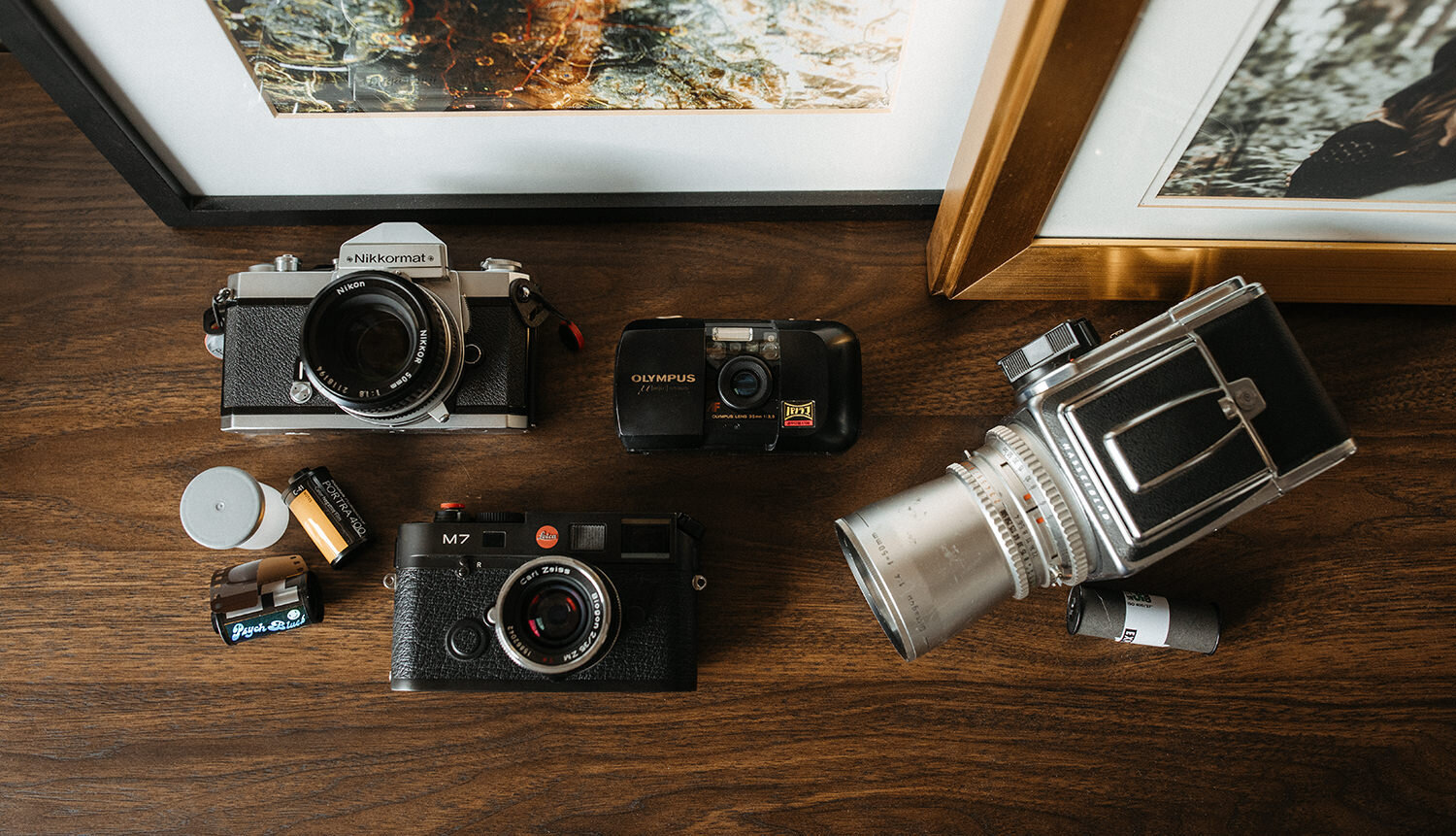
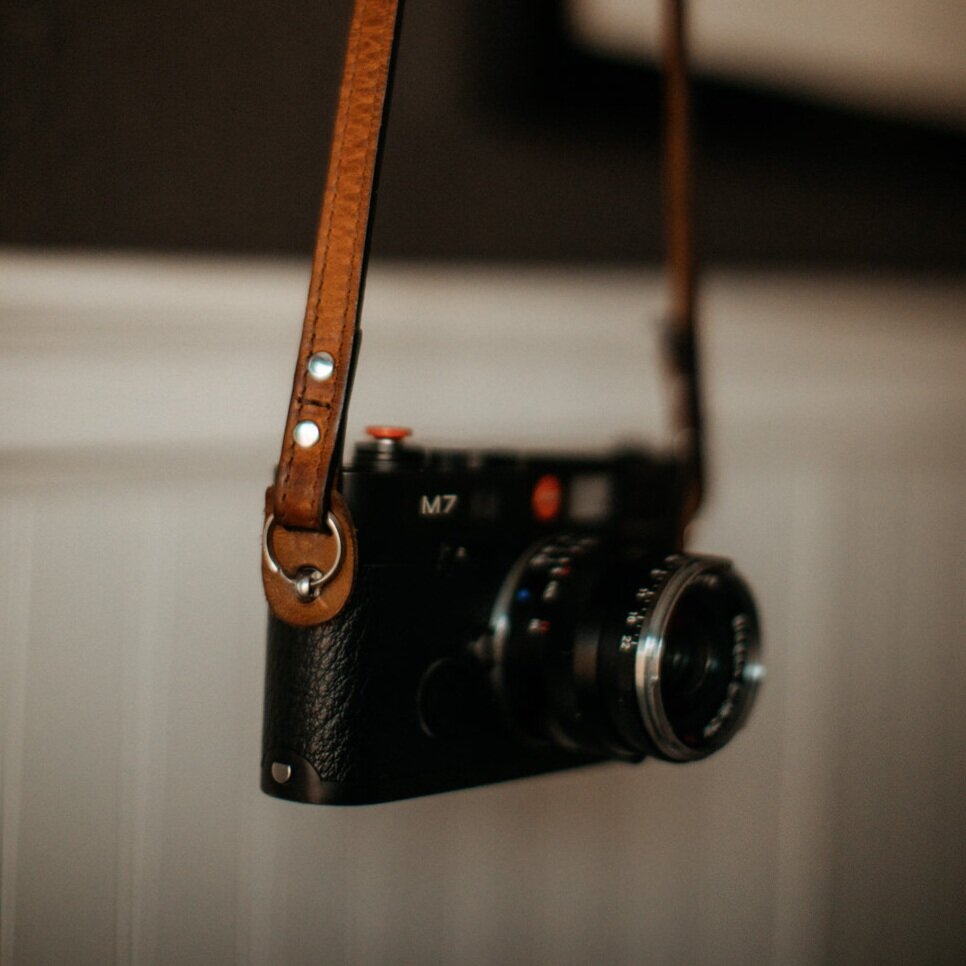
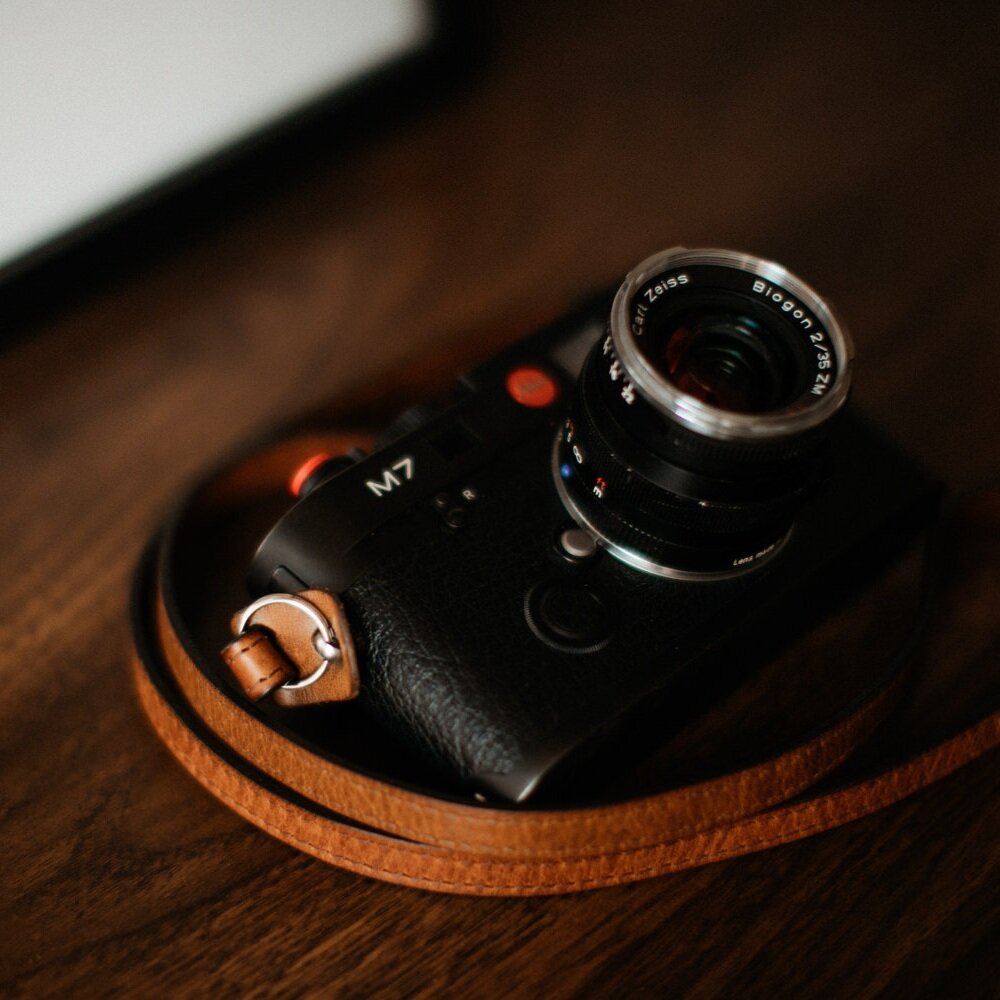
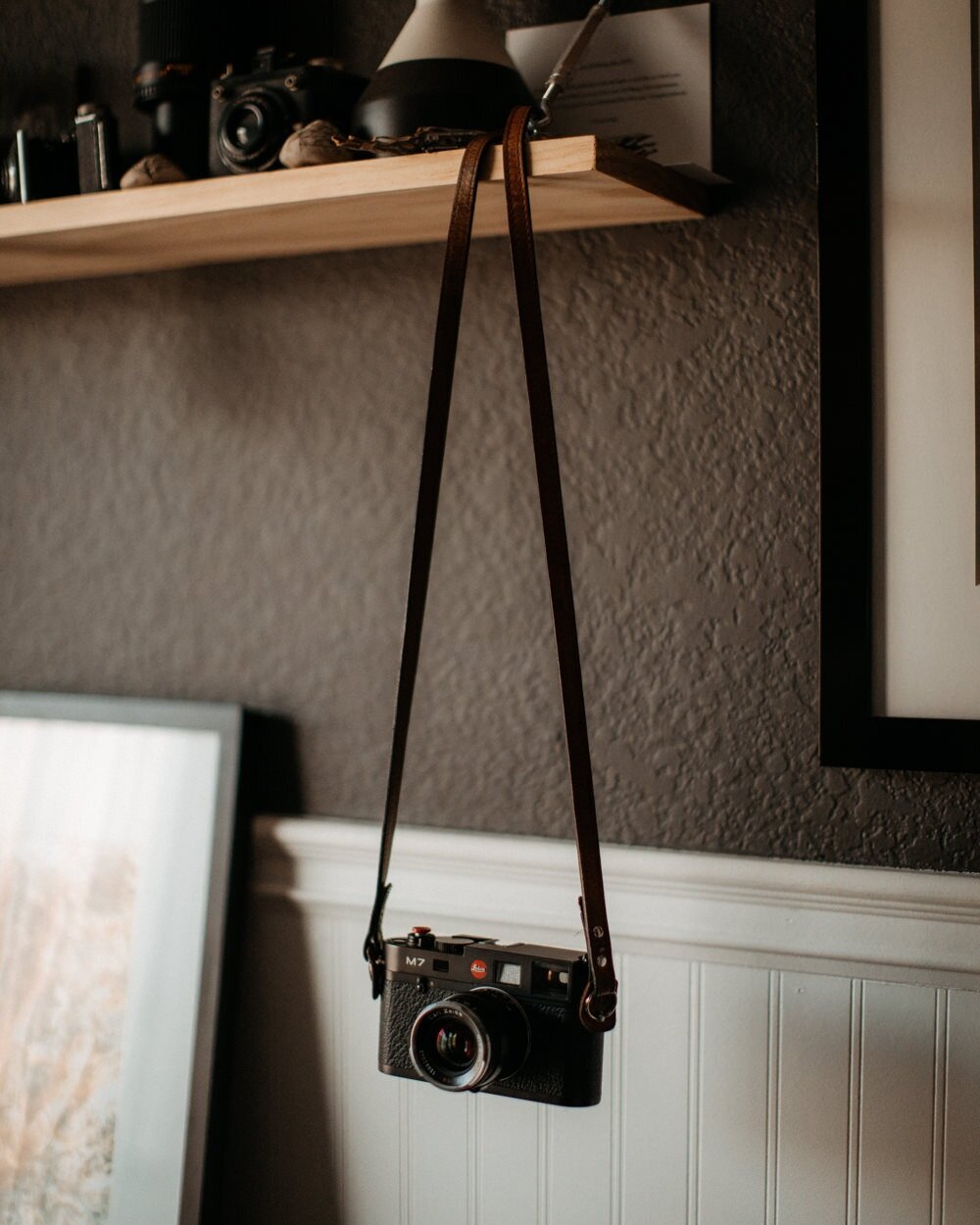
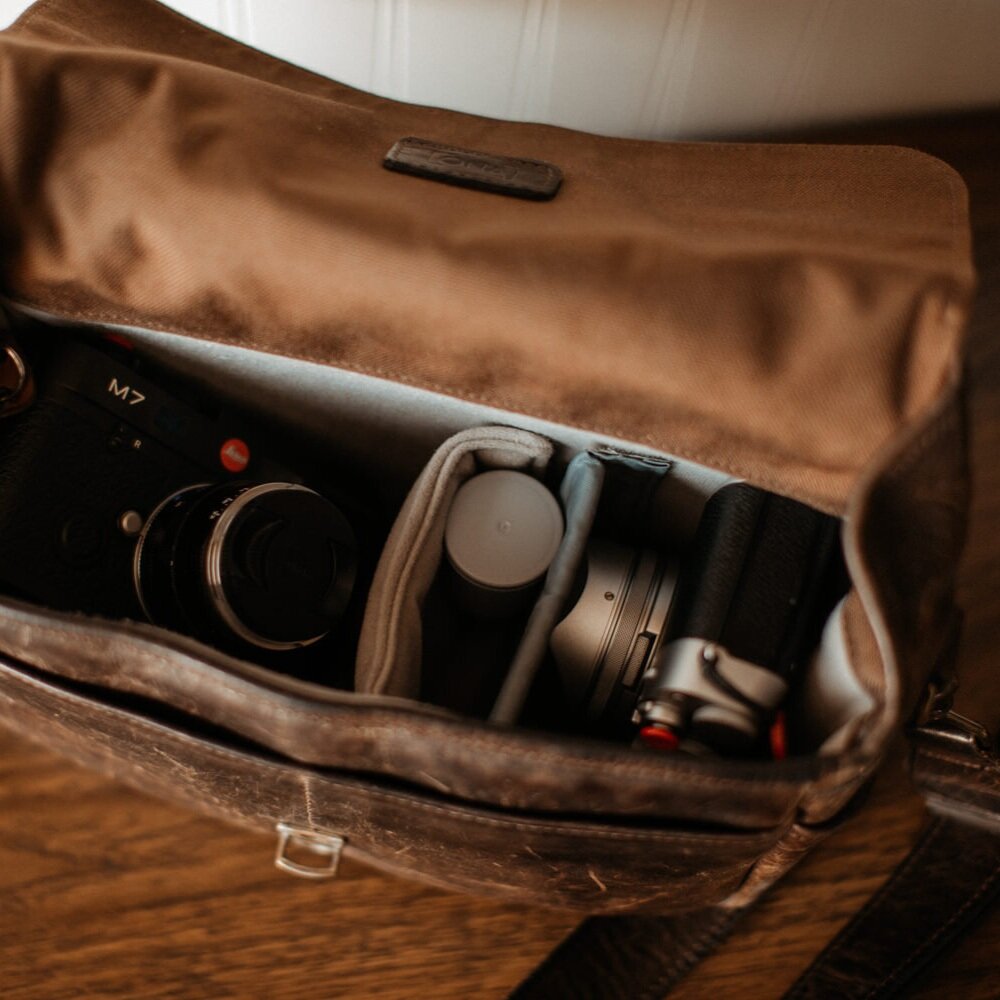
Leica M7 (Personal main film camera)
Contax T2 (Point & Shoot / Travel)
Hasselblad 500 C/M (Backup Medium Format)
Holga 120 Medium Format Camera
Olympus MJU-1 (Point & Shoot - Fun camera)
Fuji Instax Mini Evo (Candid moments)
Why too many cameras?
Is there such a thing as “too many cameras”? Just kidding. To be honest, each camera serves a purpose for me. I LOVE gear, but I also know it can weigh you down when you travel, hike, or photograph a wedding. Of course, all these cameras don’t go with me everywhere - that would be insane. The gear I take will be selected based on the occasion or what I’m photographing. Before I was a wedding photographer, photography was a hobby, and sometimes, I don’t want to pick up my Canon and make a personal vacation feel like “work”. So I resort to using my iPhone, Fuji X100V, Contax T2, or Leica M7. All these cameras are small, fun to use, and can do everything that I need them to do to document a day or an overseas trip. As a matter of fact, our whole honeymoon to Morocco was captured on a Fuji x100f (that I don’t have anymore), and not once did I regret, or think to myself that having my other gear was necessary - in this case, having a small and not-too-obvious camera was the best! I’ve also photographed full impromptu couples sessions using my Fuji, Leica, or Contax cameras, and they work just as well as my Canon gear. This is exactly what I mean about why the story always beats gear.
“The best camera is the one that’s with you”
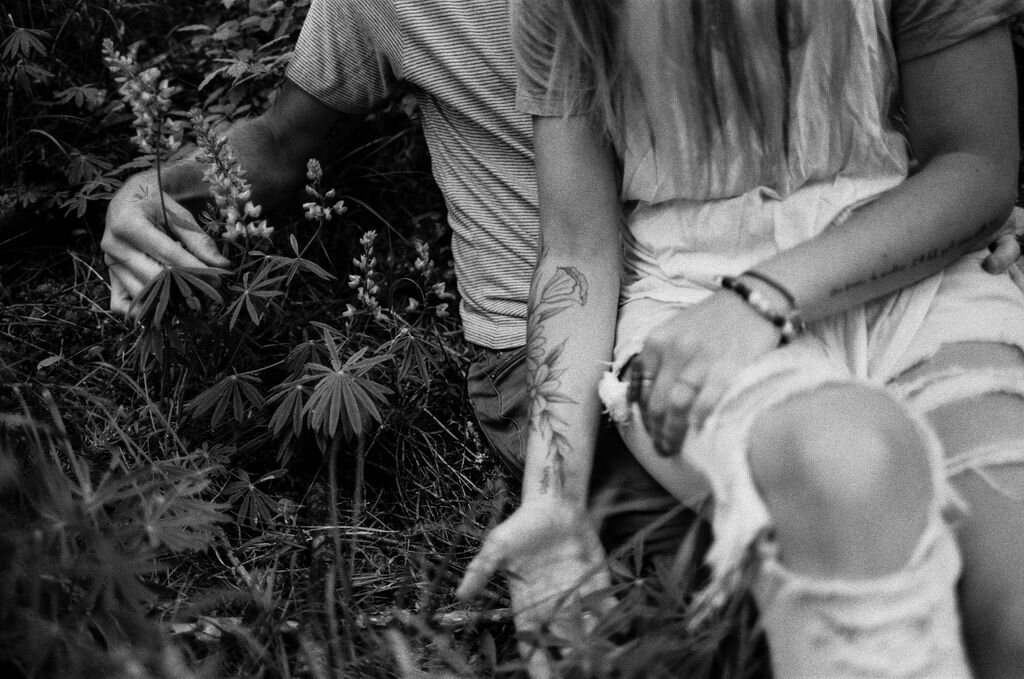
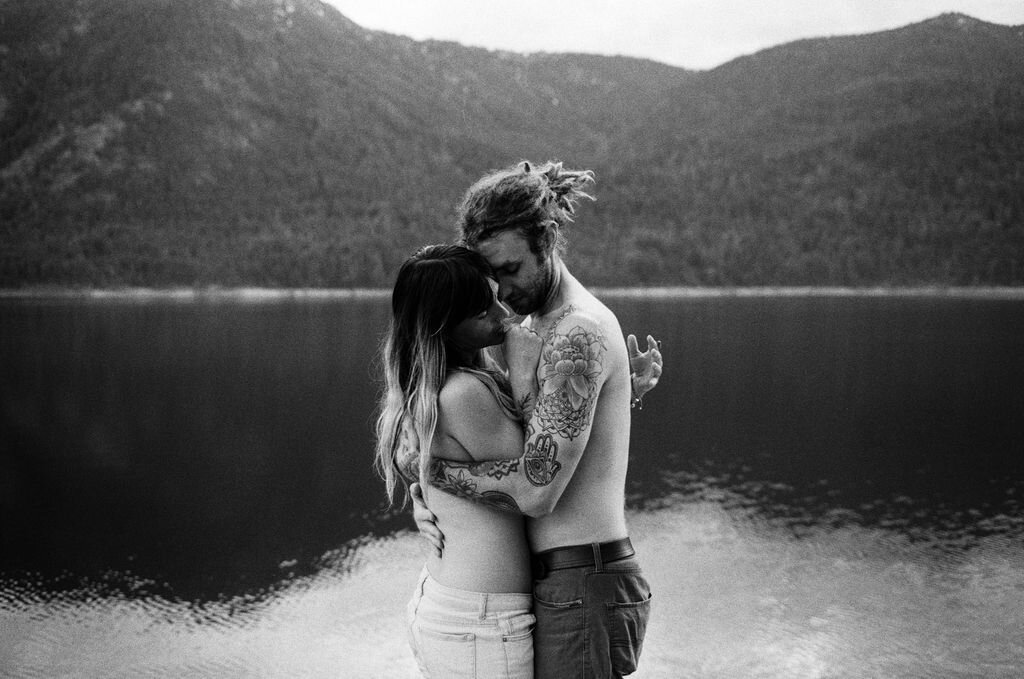
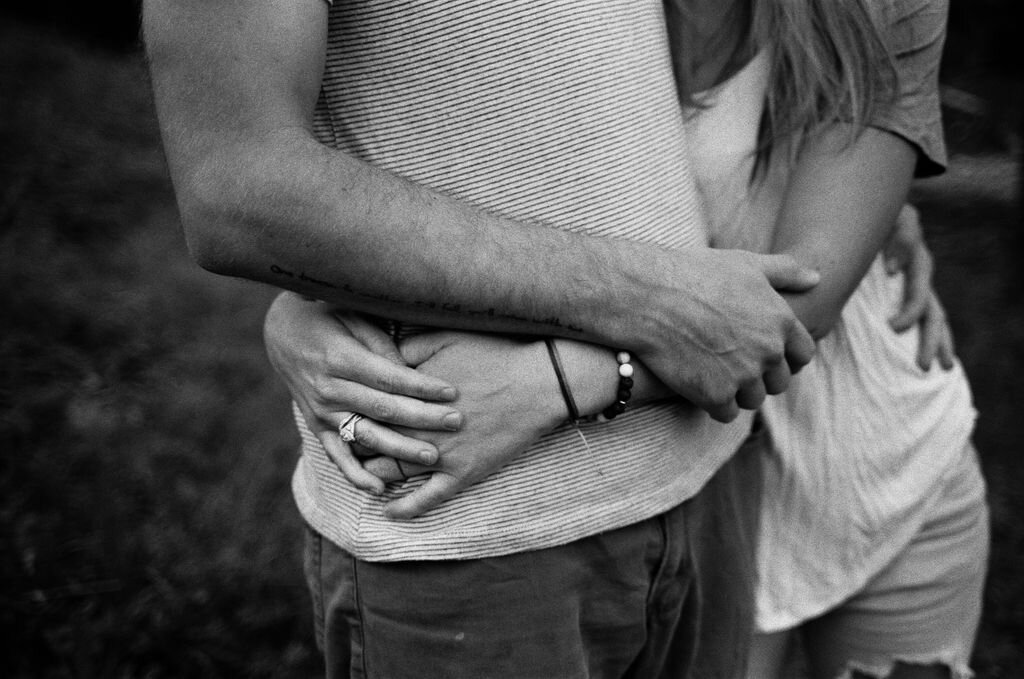
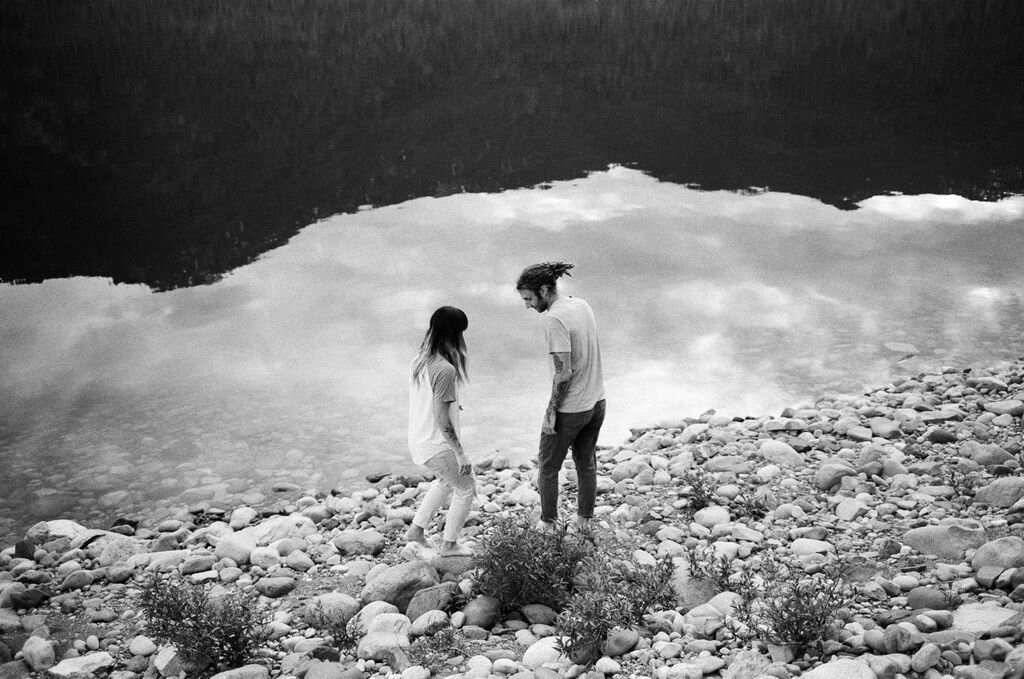
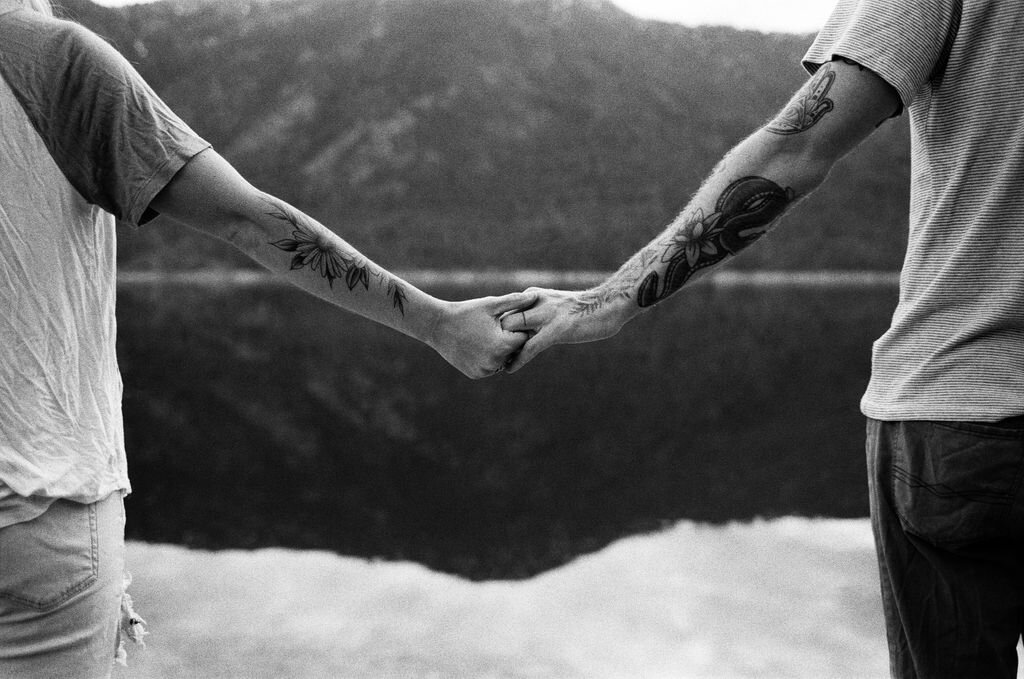
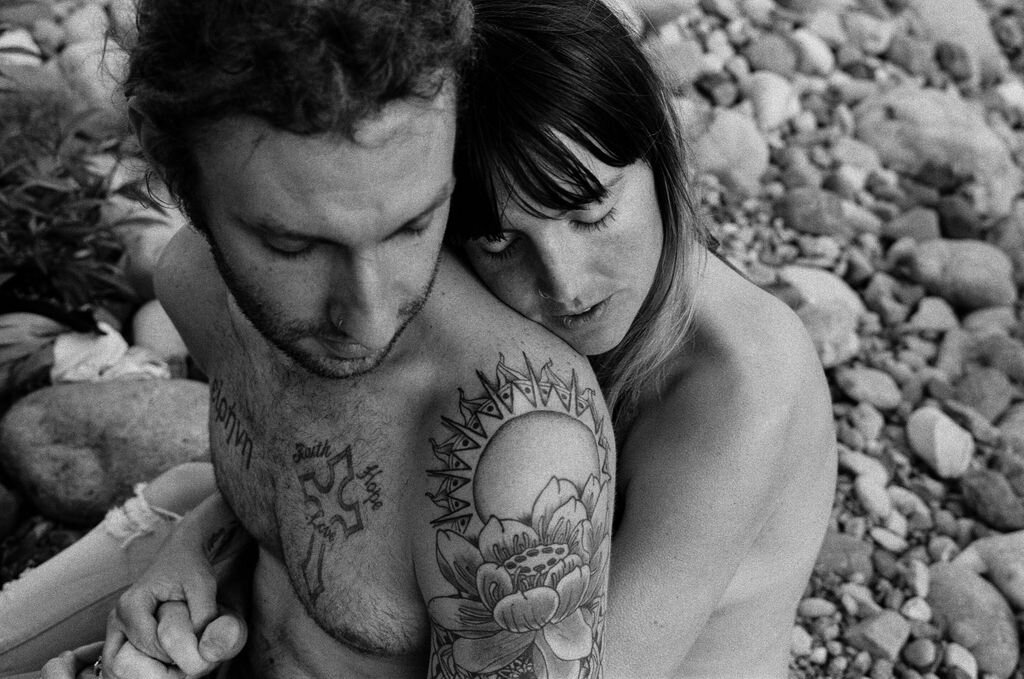
Full session shot on film using Leica M7 & Ilford HP5 (B&W film)
Digital vs. Film Photography
This is one of those questions that comes up constantly, and honestly, it's one I think about a lot myself. So let's just talk about it. The short answer is that both have a place, and neither is better than the other. But that's a boring answer, so here's the longer version.
The Case for Digital
Digital is where reliability lives. When I'm photographing sunrise elopements, hiking into a location in the dark, navigating unpredictable light, and managing a full day of moments that can't be recreated, my Canon R5 or R6 is what's on my shoulder. The dynamic range, the autofocus, the dual card slots, and the ability to shoot hundreds of frames without thinking twice about it. That's what gets the job done. Digital gives you control, flexibility, and speed. There's no waiting, no lab, no surprises. You know what you got in that exact moment.
The Case for Film
Film slows you down (for myself and my awesome couples), and that's exactly the point.
There's a deliberateness to shooting film that changes the way you work. When you're limited to a 36-exposure roll on a Canon EOS-1V or a 16-frame roll on a Contax 645, every frame counts. That intentionality shows up in the final image. Film has a tonal quality that's hard to replicate digitally (though many presets come close). It renders skin differently, holds highlights differently, and produces an aesthetic that feels less constructed and more honest. There's also something about handing a couple of film scans that feels like a different kind of artifact. It carries weight, and in my line of work, heirlooms to my couples.
How I Use Both
For most weddings, I'm shooting digital as my primary and incorporating film where it makes sense and for the right moments. Ceremony moments, quiet portraits, a golden hour sequence on the Contax 645 with Kodak Portra/Kodak Ektacolor. Not every elopement gets film, and not every couple wants it, but when the session and the setting call for it, there's nothing quite like it. It's not a gimmick or a trend for me, despite its popularity, but I think that’s because in a digital world, people are craving real, but that topic is for another day…. I've been shooting film alongside digital for years because I genuinely believe it adds the right feeling to capture all the moments we’re experiencing.
Should You Shoot Film at Your Weddings?
If your photographer offers it, it's worth a conversation. Film isn't the right fit for every situation, and it takes a certain level of experience to use it confidently in unpredictable, ever-changing lighting conditions. The caliber of your photographer's film work matters here. Look at the actual film images in their portfolio, not just the digital work. But when the experience is there, and the approach makes sense for the story you want to tell, it's worth considering. The images have a quality that people recognize, even if they can't explain exactly why.
At the end of the day, it's still about the story. Film or digital, the goal is the same.
Photography Gear - Lenses, Drone & Lighting
Lenses:
Canon RF 16mm f/2.8
Canon 24mm f/1.4Lii
Canon 35mm f/1.4Lii
Canon 50mm f/1.2L
Canon 85mm f/1.4Lii
Canon 100mm f/2.8L
Canon 28-70mm RF f/2.0 L
Canon 70-200 RF f/2.8Lii
Leica 50mm f/1.4 Sumilux
Leica 35mm f/2.0 Summicron-M
Contax Carl Zeiss Planar T* 80mm f/2
Drone/Aerial Photography:
Flash
Canon Speedlite 600EX II-RT
Canon Speedlite Transmitter ST-E3-RT
Yongnuo YN-E3-RT Transmitter (Backup)
Yongnuo YN600EX-RT II (x2)
Fast-Recycle Rechargeable Batteries
Godox IT32 TTL Flash (Works with all film cameras with OCF capability)
Godox PB960 External Flash Power Battery Pack (x2)

Is all this photography gear needed?
This is where the technical photography side in me kicks in. Honestly, no. If I was starting out in becoming an elopement photographer, all I would go with is one main camera body (similar to the Canon R5), and two pro-level lenses (35mm & 80mm). With this setup, you’ll be okay to capture beautiful photos with two different perspectives and ranges (wide angle for candid/landscapes and telephoto/zoom for portraits). But at the same time, this is NOT a safe setup for a professional photographer, and I definitely would NOT advise you to go into capturing someone’s wedding day or special moments with only this setup. Remember that you ALWAYS need backup gear incase when something happens.

Photography Gear - Support
Camera Bags
Wandrd PRVKE Series (31L)
Wandrd PRVKE Series (21L)
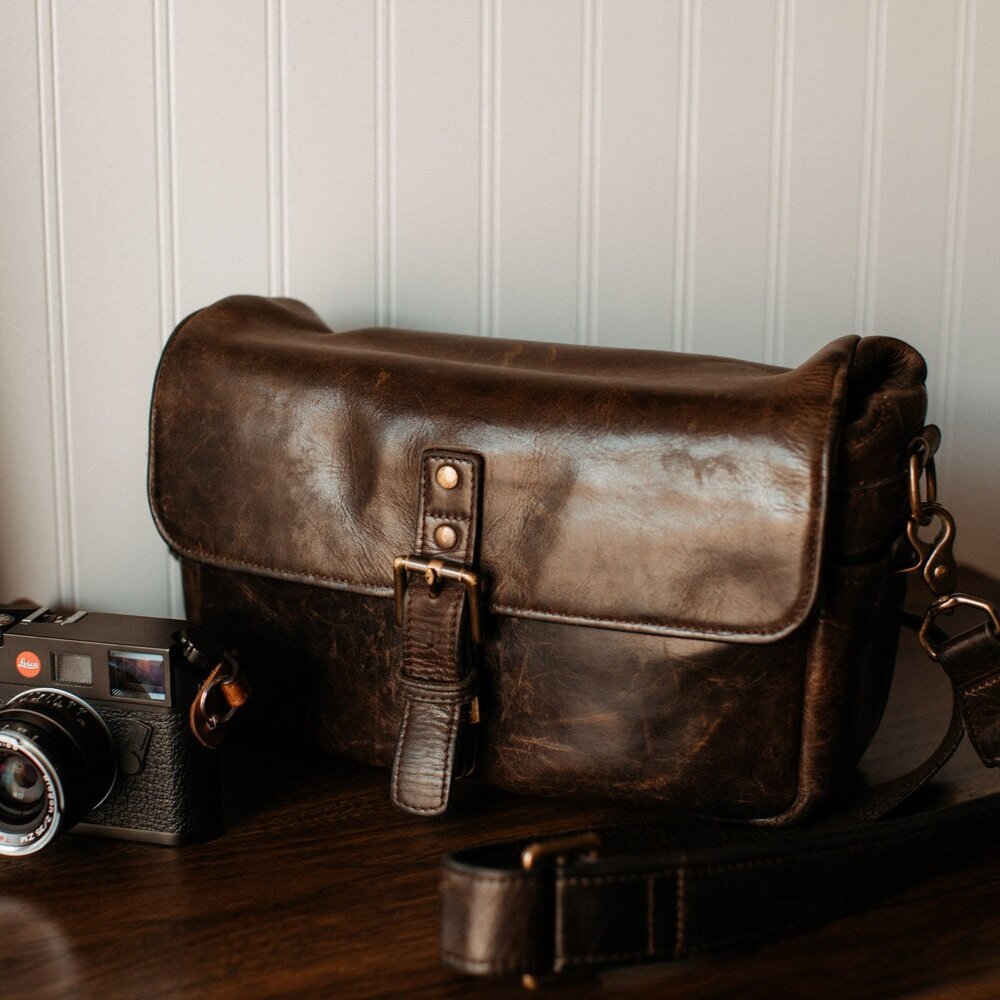
Ona - The Bowery
Ona - The Bond Street (Canvas)
Misc. gear that I love
Accessories & Staps
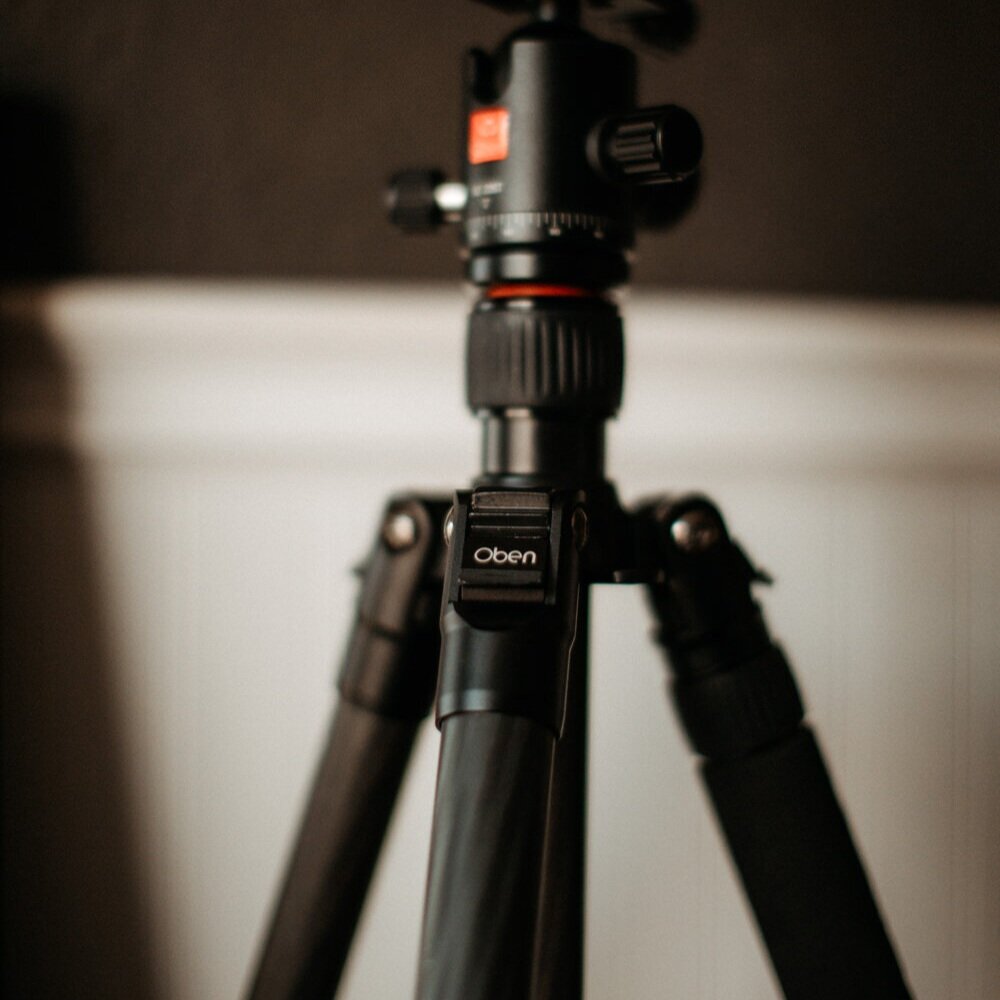
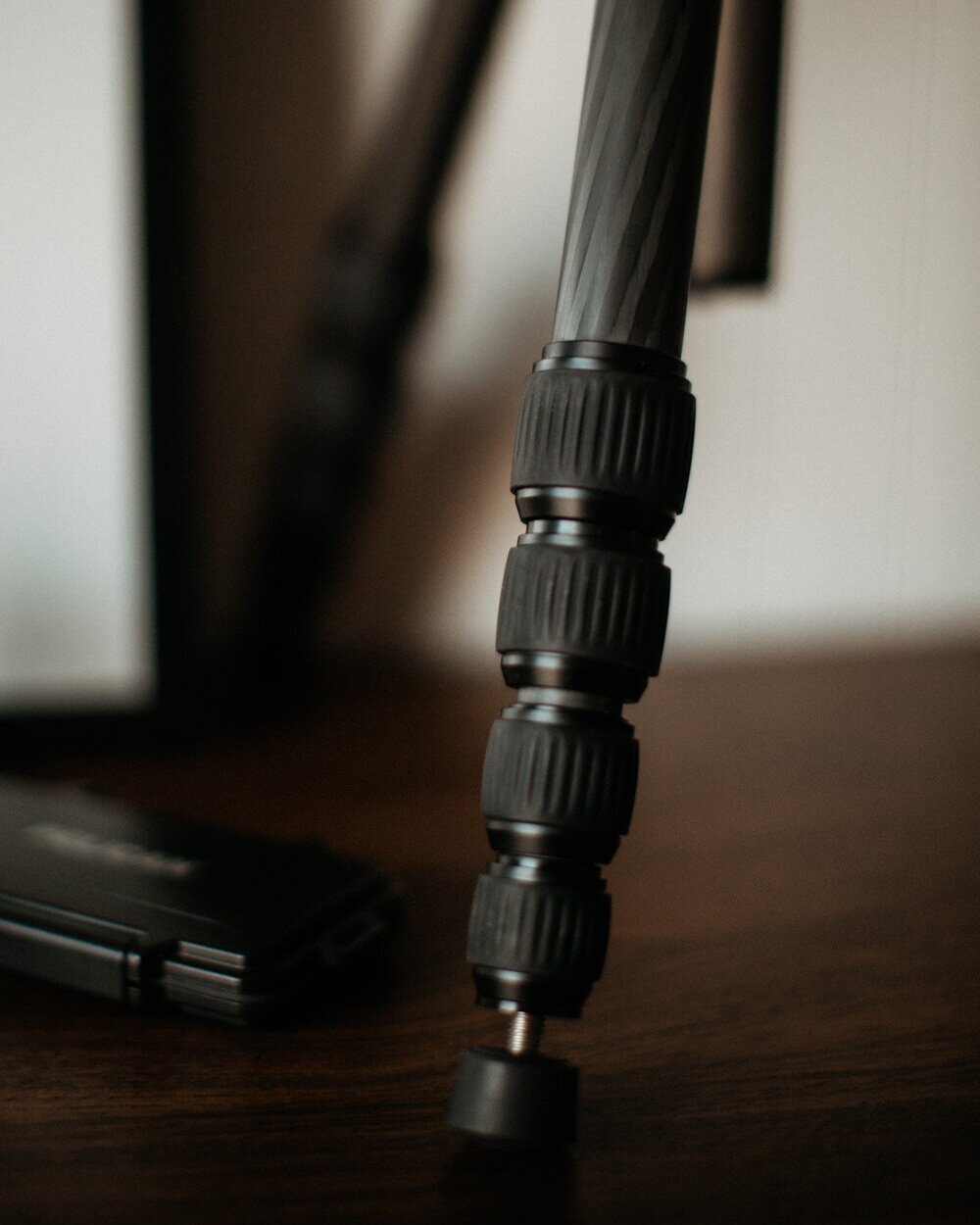
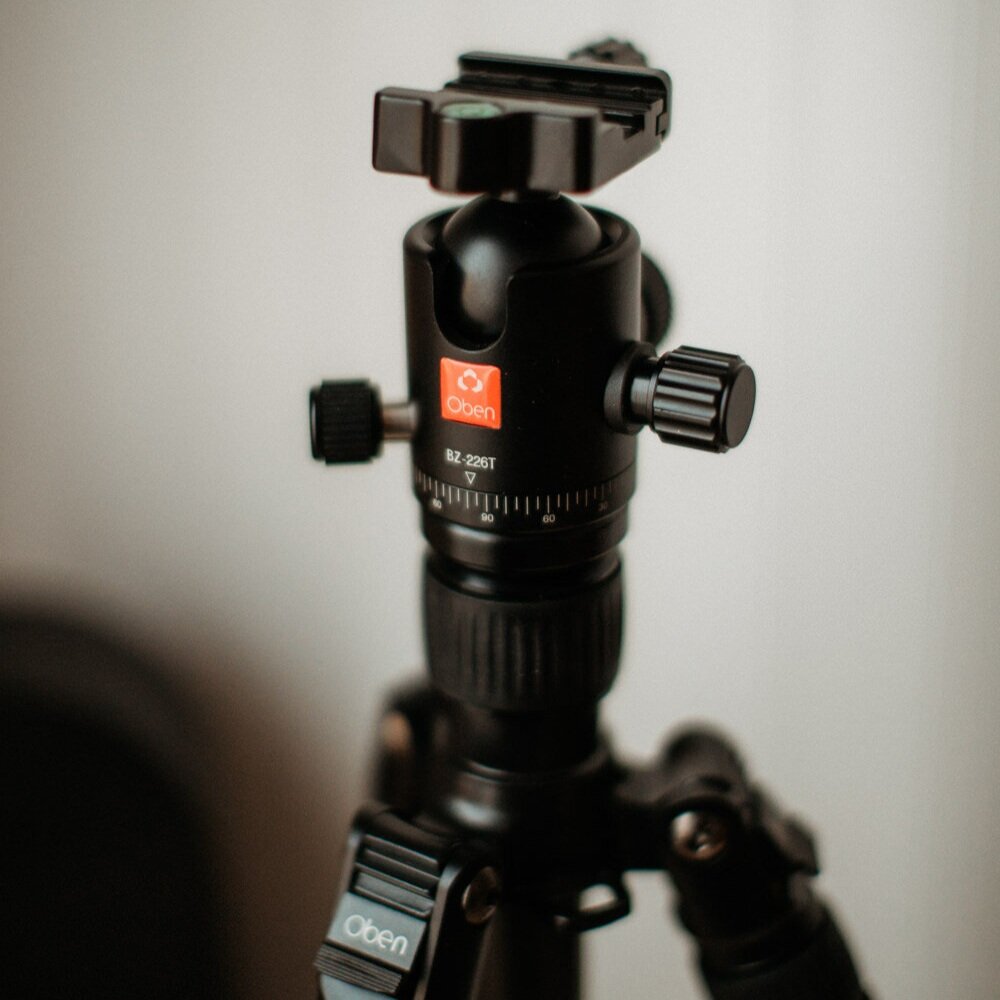
OBEN CT-3586 Carbon Fiber Tripod
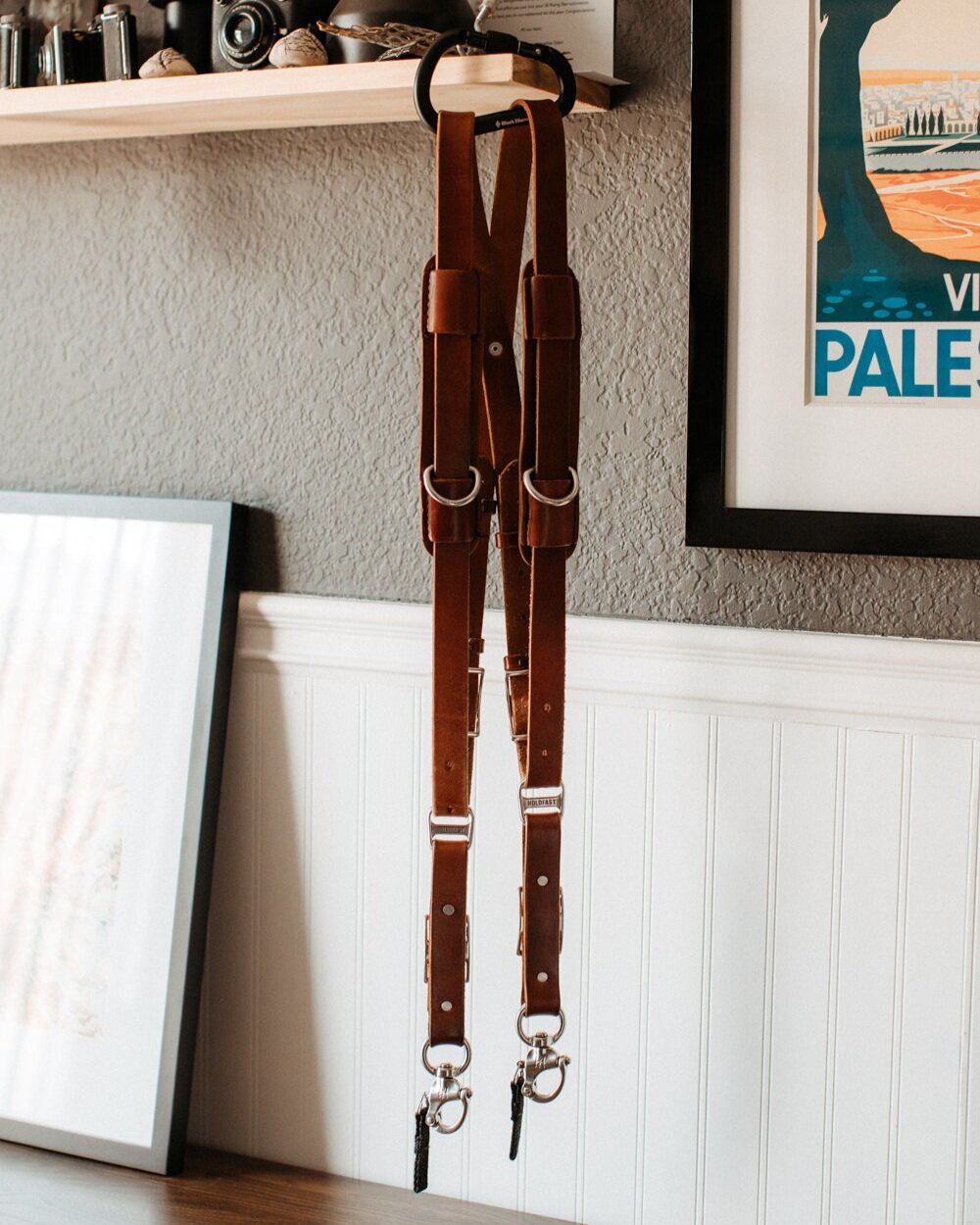
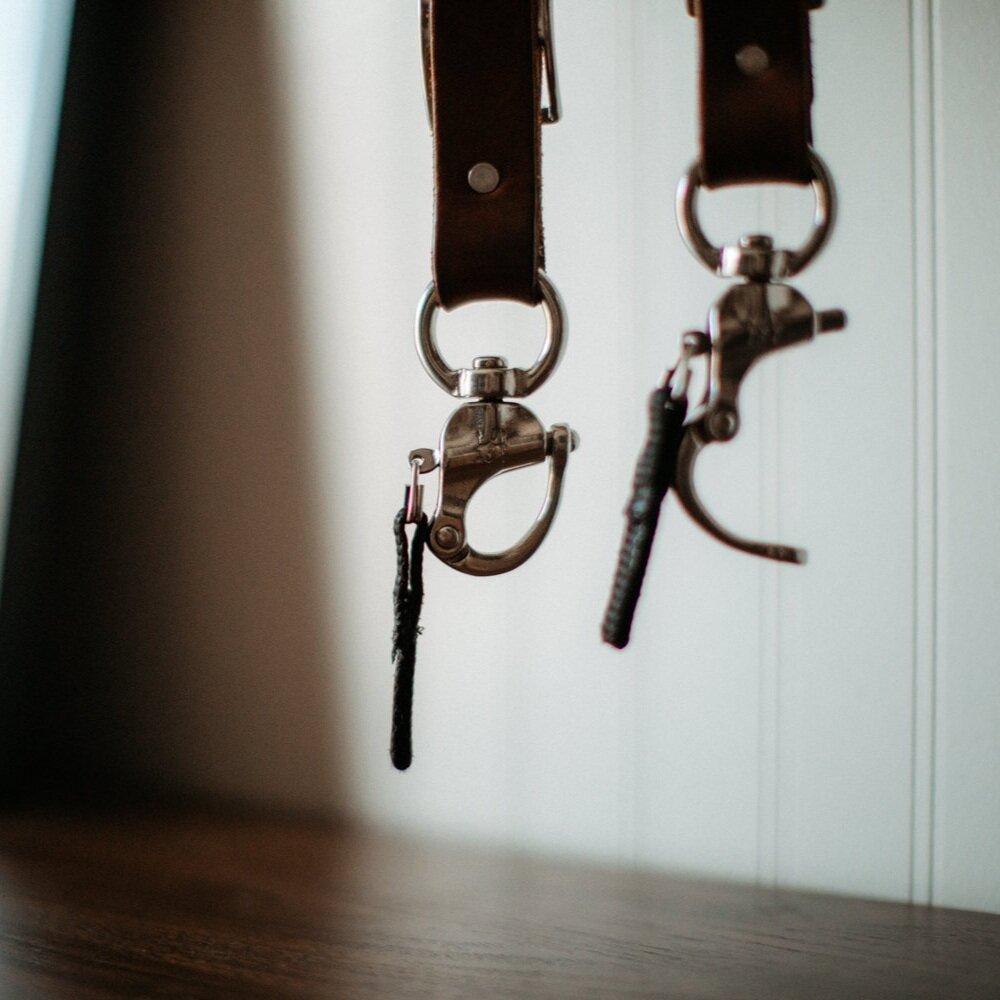
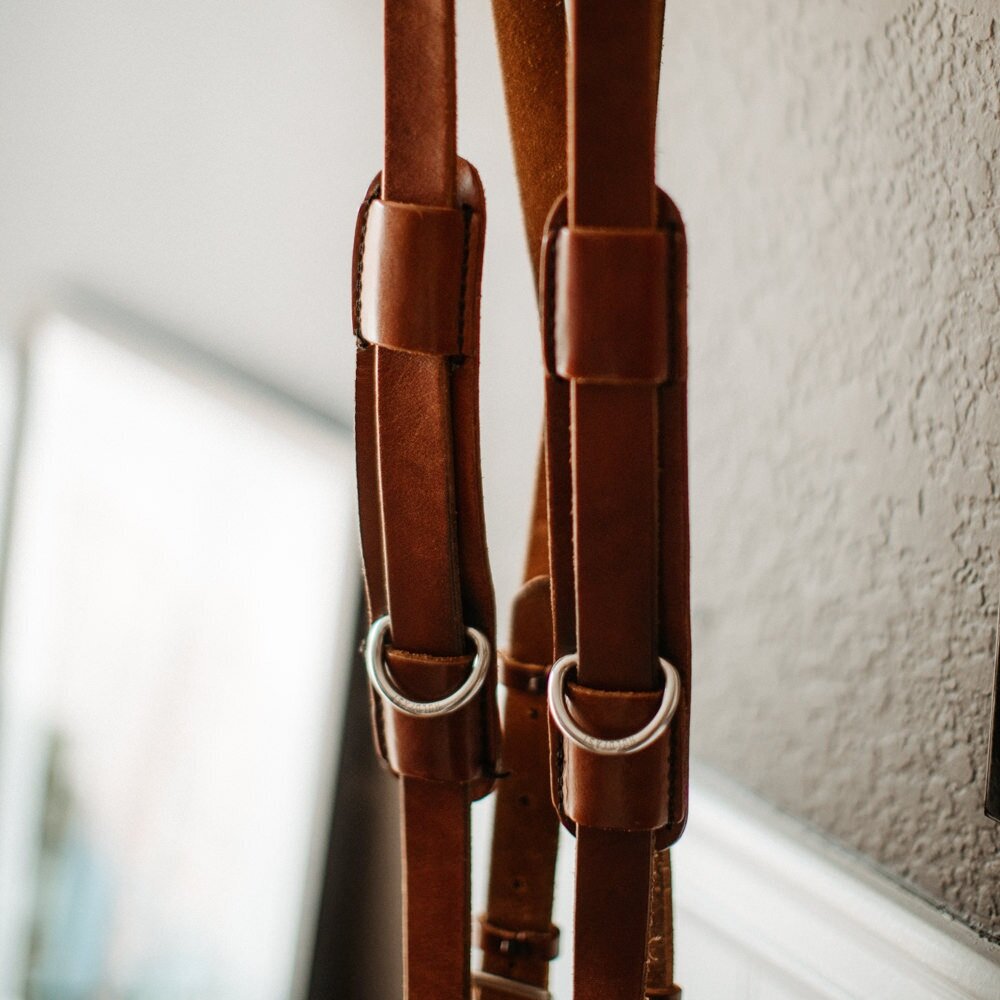
Holdfast Skinny MoneyMaker
Ona strap - The Sevilla (for Leica)
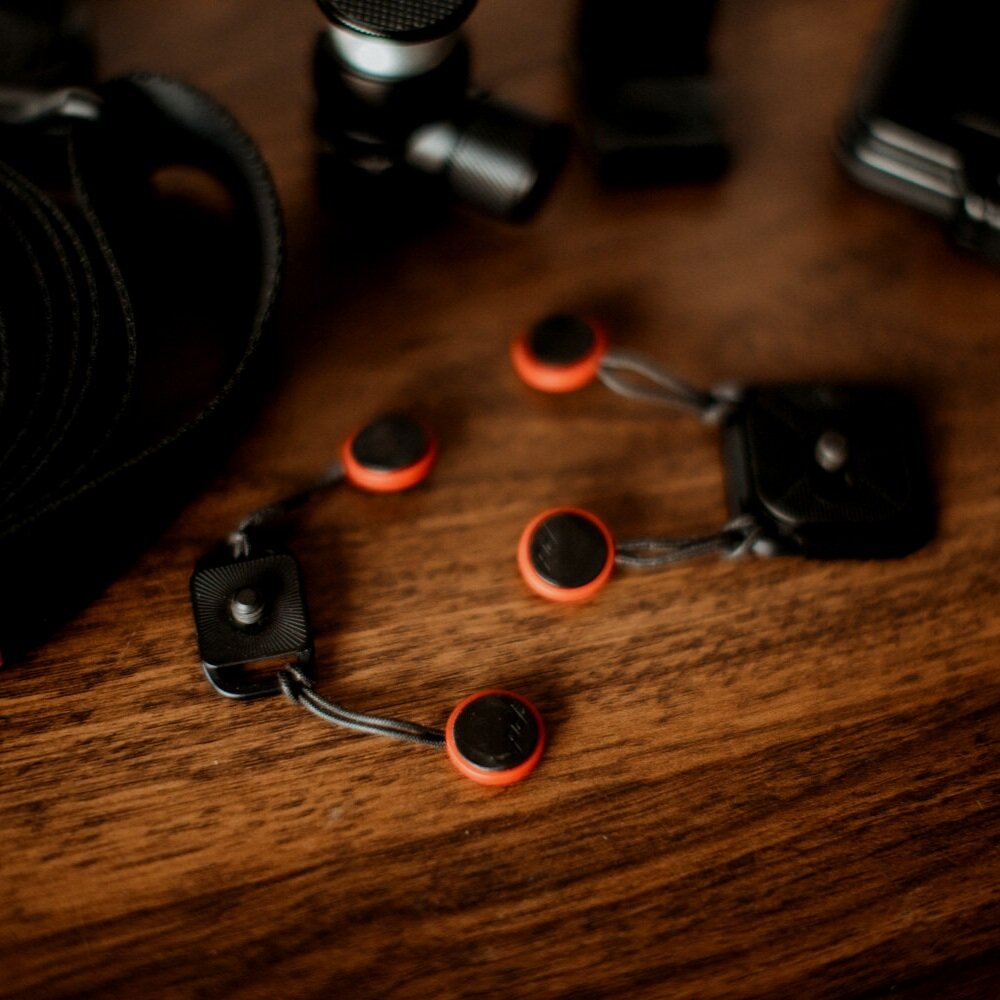
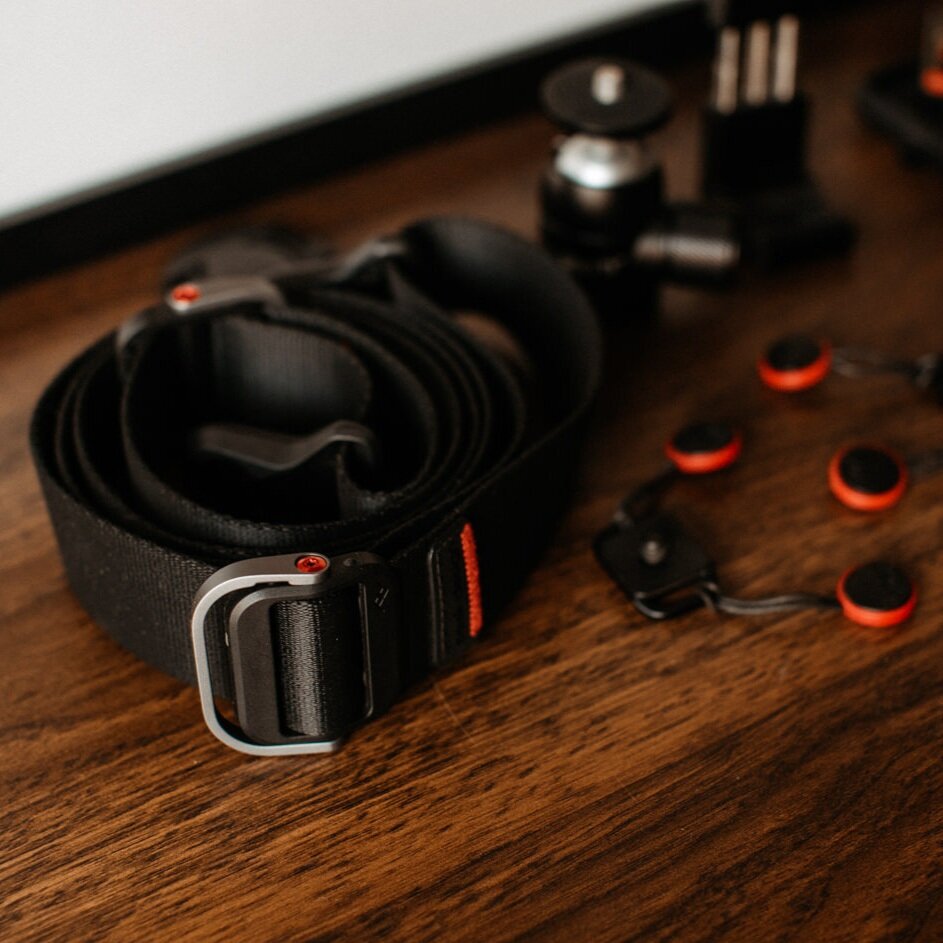
Peak Design Camera strap (Backup)
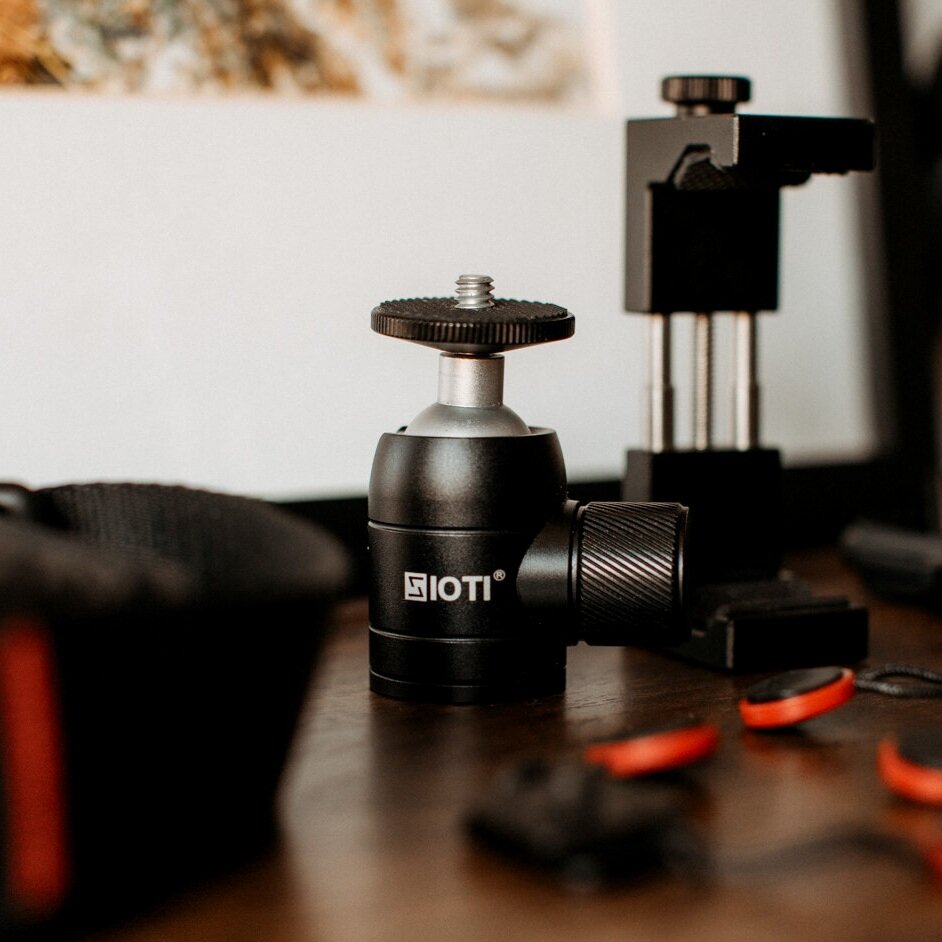
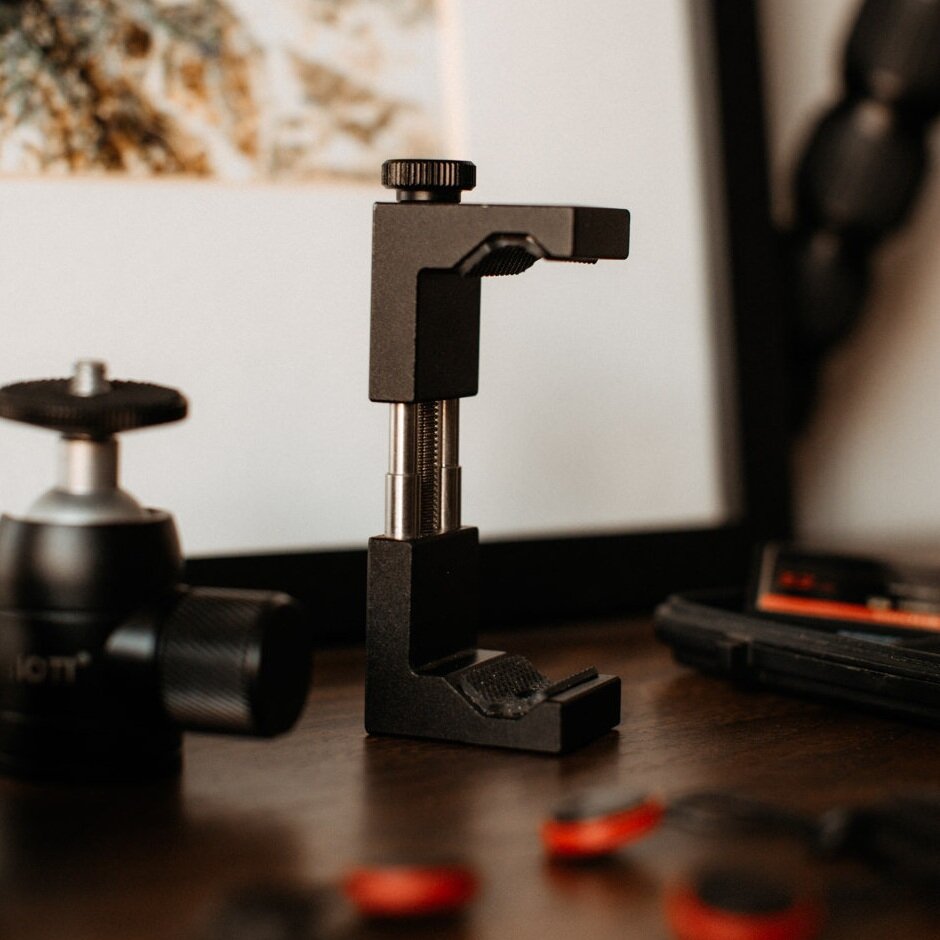
SMALLRIG Magnetic Metal Phone Mount
Manfrotto 1004BAC Master Stand (x2)
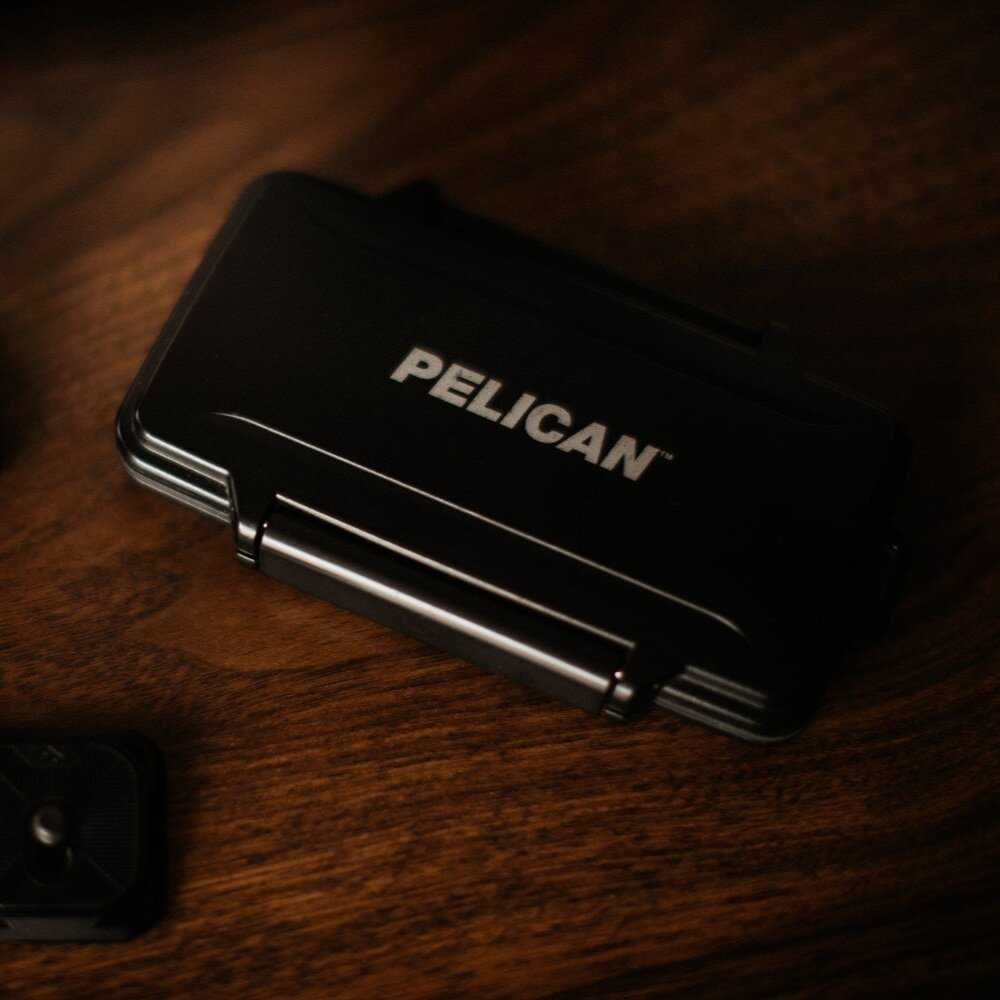
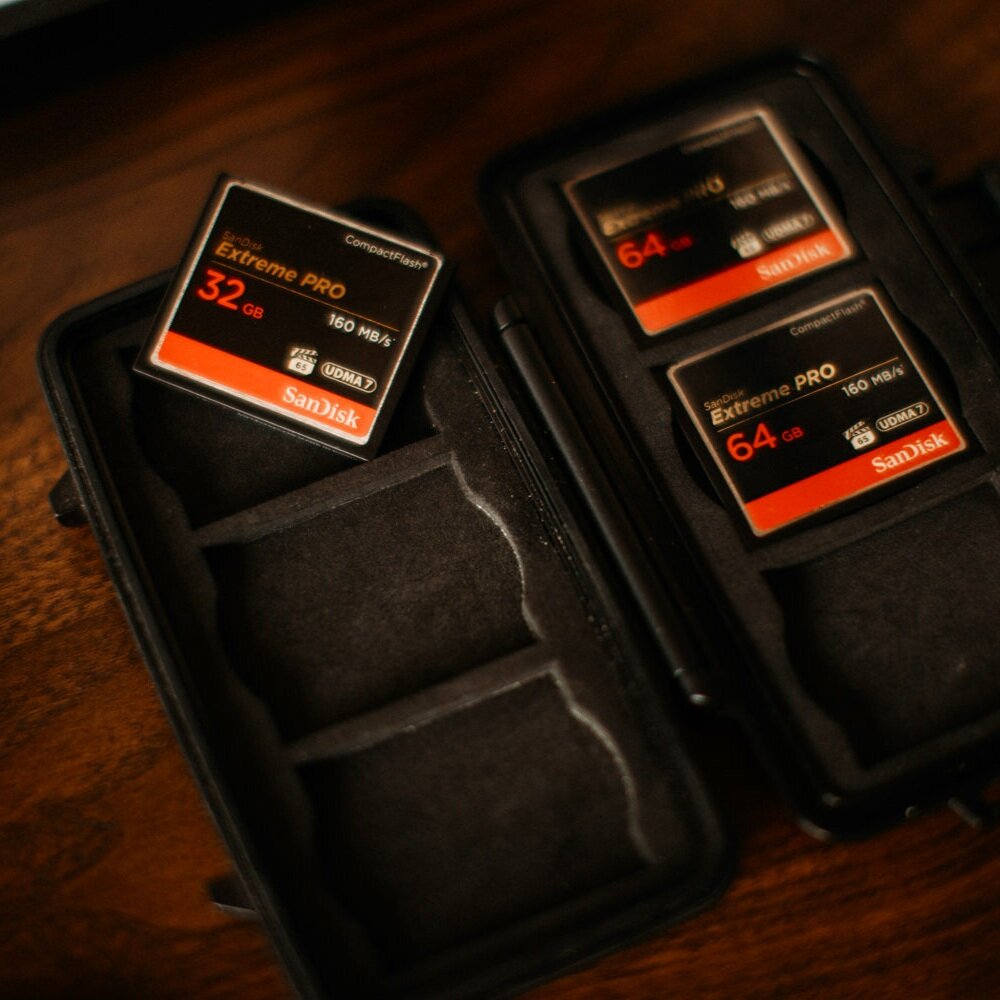
Pelican 0915 Memory Card Holder CFexpress + SD
What Photography Gear is Coming With Me?
What's Actually in My Bag
The Transport System
Everything travels as a combination of backpacks and hard cases. When I'm flying, nothing gets checked. All of my main gear stays with me on the plane, every time, no exceptions. (Lightstands, tripods, and other support gear get checked in.) Once I arrive at the location or the area where we're shooting, the hard cases stay behind. At that point, I already have the shoot visualized. The locations, the light, the sequences. So the right gear gets pulled and packed into a backpack, and that's what comes with me. Staying mobile on location is non-negotiable - especially if any hiking is involved.
For venue weddings with a reception, it's a different story. The roller and hard cases come with me, so everything is in one place and accessible throughout the full day.
Gear Selection for Elopement Weddings
Lighter gear is great, but the right gear is what actually matters. Those aren't the same thing.
Because I'm co-planning with the couple or their planner, I know exactly what we're doing, where we're going, and what we're photographing before the day arrives. That level of detail informs every gear decision. What works in a meadow at Yosemite is different from what works on a glacier in Iceland or inside a helicopter above the Alaska range.
My most versatile and mobile setup is a 28-70mm on one body and a 70-200mm on another, with a 16mm in the bag. That combination covers almost every range needed to tell a complete story. The 16mm is small enough to fit in a jacket pocket and only comes out when the situation calls for it.
For situations where staying mobile is a hard requirement, like helicopter elopements, zoom lenses over primes make sense. Fewer decisions, less weight, more coverage.
When film is part of the plan, I shift to a two-camera setup: one film, one digital, with the option to add a third around my neck depending on what we're doing. Whether it's film or digital on that third body depends entirely on the scenario. It all comes down to the location, the story, and what the day calls for. And with all of it, I always leave room for creativity. Over-planning the gear can get in the way of the moment just as much as under-planning it.
For Photographers Thinking About Their Own Kit
If you're trying to figure out what to bring and what to leave behind, here's a process that actually works. Write down every piece of gear you own. Go on a shoot and use what feels right (don’t think about using everything, just go about the day as you normally would). When it's done, pull up the metadata. See what got used the most, what got in the way, and what never came out of the bag. Then start consolidating. Build toward a kit that covers what you need without the extra weight of what you don't.
What gear advice do you have for someone who’s starting out?
Photography gear is important, but it’s definitely not everything. High-end gear for someone who’s starting out can be overrated. You really don’t need a million megapixels or 30 frames per second burst mode to tell stories (unless you’re a GIF photographer). Think about it this way: Billboards existed way back before cameras were even 10 megapixels, and incredible photographs have been captured for hundreds of years. So, unless you want to go into large-scale printing of your work, that's something you’d need to consider; otherwise, get yourself something that will work for you and for what you’re photographing. Always remember that clients don’t really care about what camera brand you have, as long as you can deliver what you promise (and know you can), then you should be set!
Practicing and understanding photography is way more important than buying the camera or the gear that the industry tells you you need. ALL cameras have the same basic fundamentals on how they work. Even if you pick up a mid-range camera that can capture RAW photos, it’ll help you understand the basic photography rules, learn the settings, practice using and understanding light, find your own shooting process, dig deeper into what you enjoy photographing, find a purpose, and go create art.
A new camera won’t make you a better photographer, but knowing how to use one will.
As I mentioned above, 1 body and 2 lenses are all you need to get solid natural-light photos, but if you’re considering this as a career path, I would advise having backup gear for any paid gigs you’re hired to shoot (with real clients). If you can’t afford gear right away, then rent some. Many local camera stores have a rental department, or you can simply rent photography gear online at places like BorrowLenses.com. Renting gear is a great way to test it before investing in a purchase. Alternatively, if you know someone with gear you’re eyeing, asking them to try it out or get their opinion could be an amazing way to see and understand whether the camera you want will achieve your goal.
For more, check out the top 10 photography business tools that help me run an efficient photography business.

Join the Facebook group and be part of the community!
Education | Referrals | Good Vibes